By Sister Patricia Moriarty
Walking 500 miles across Spain as a pilgrim on the Camino de Santiago (the Way of St. James) has forever changed how I think about Advent hope.
As I walked the equivalent of a half-marathon daily last fall, enduring blisters and sore muscles, and receiving countless moments of kindness from strangers, I gained new perspective about why Pope Francis called on people of faith and goodwill to be “Pilgrims of Hope” during this Jubilee Year of Hope. And about why this hope is especially pertinent to Advent.
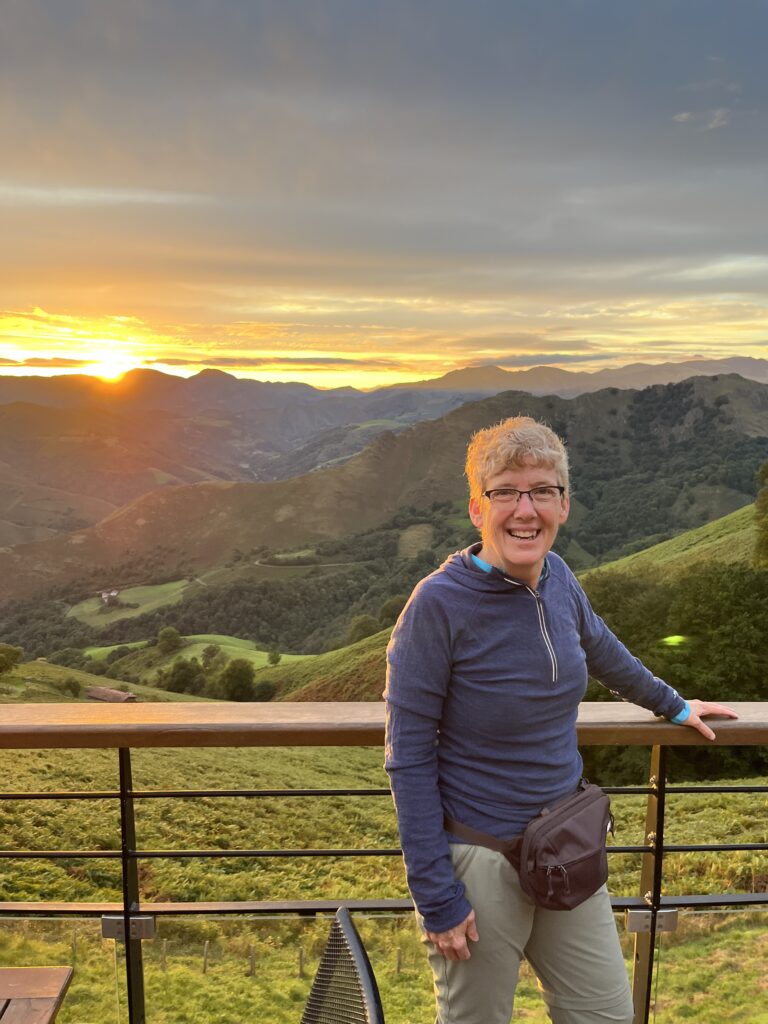
“May hope fill our days!” exclaimed Pope Francis in opening the Jubilee Year, noting that “Hope does not disappoint” (Romans 5:5).
As the Jubilee Year enters its final weeks this Advent, I invite us to lift in prayer the pilgrims of hope in our lives. Perhaps we can think of them as modern-day Magi whose presence to us makes challenging times bearable and graced. The most important gifts of the Magi to the Holy Family were not gold, frankincense and myrrh, but rather their willingness to be present to the vulnerable infant and his parents, despite an arduous journey in which they risked their lives.
The Magi set out on a pilgrimage following a star. For the Jubilee Year, Pope Francis called the faithful to be pilgrims, compelling us with beautiful imagery: “Journeying from one country to another as if borders no longer mattered, and passing from one city to another in contemplating the beauty of creation and masterpieces of art, we learn to treasure the richness of different experiences and cultures, and are inspired to lift up that beauty, in prayer, to God, in Thanksgiving for his wondrous works.”
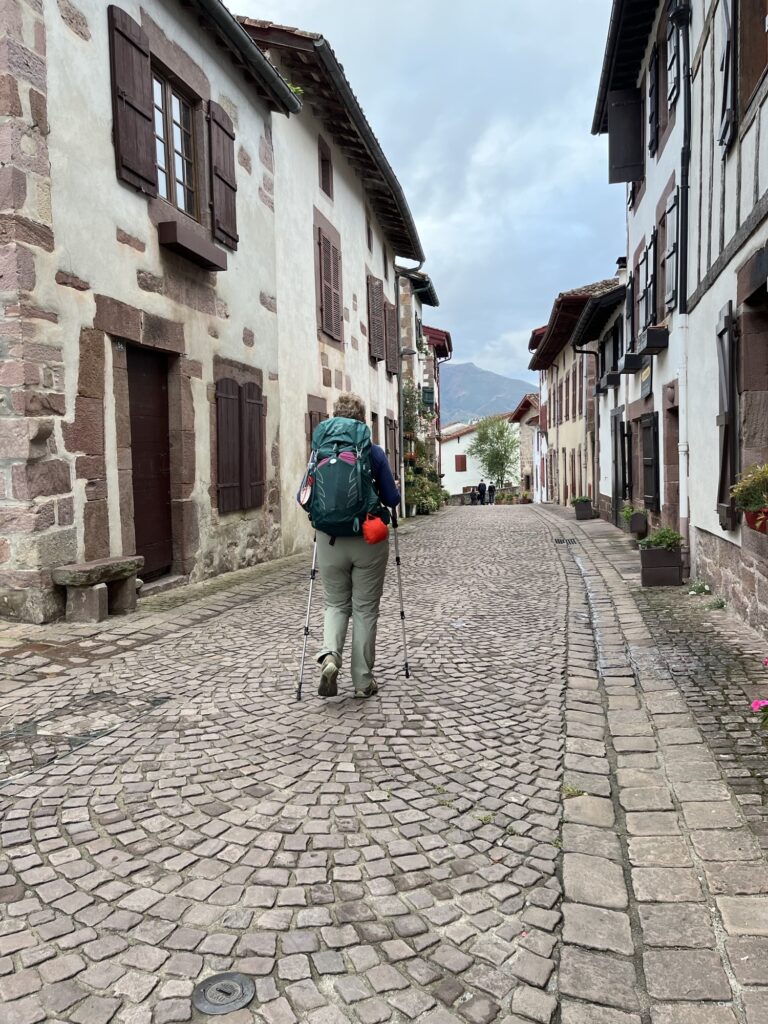
These stirring words and images from Pope Francis resonated with my own experience. As a pilgrim I walked with countless others towards a common destination: the Santiago de Compostela Cathedral, in northwest Spain, where the apostle St. James is believed to be buried. I learned firsthand that pilgrimage is a communal experience that bonds you to your fellow pilgrims in ways that transcend cultural and language differences. And I experienced the best of humanity.
Just as the Magi presented three gifts to the Christ Child, I received three gifts during my Camino pilgrimage. First, a young German woman gave me a small ball of lamb’s wool to protect my ankle from the rubbing of my hiking boot. Then a Taiwanese woman presented me with an apple and a Danish pastry on a Sunday morning when nothing was open. And third, a young man and his mom from Peru gave me and a friend a taxi ride when we were exhausted – and refused our money. The “Magi” I met were from the north, south and west! Their generosity filled me with hope and gratitude, an invitation for me in turn to offer simple gifts to other pilgrims.
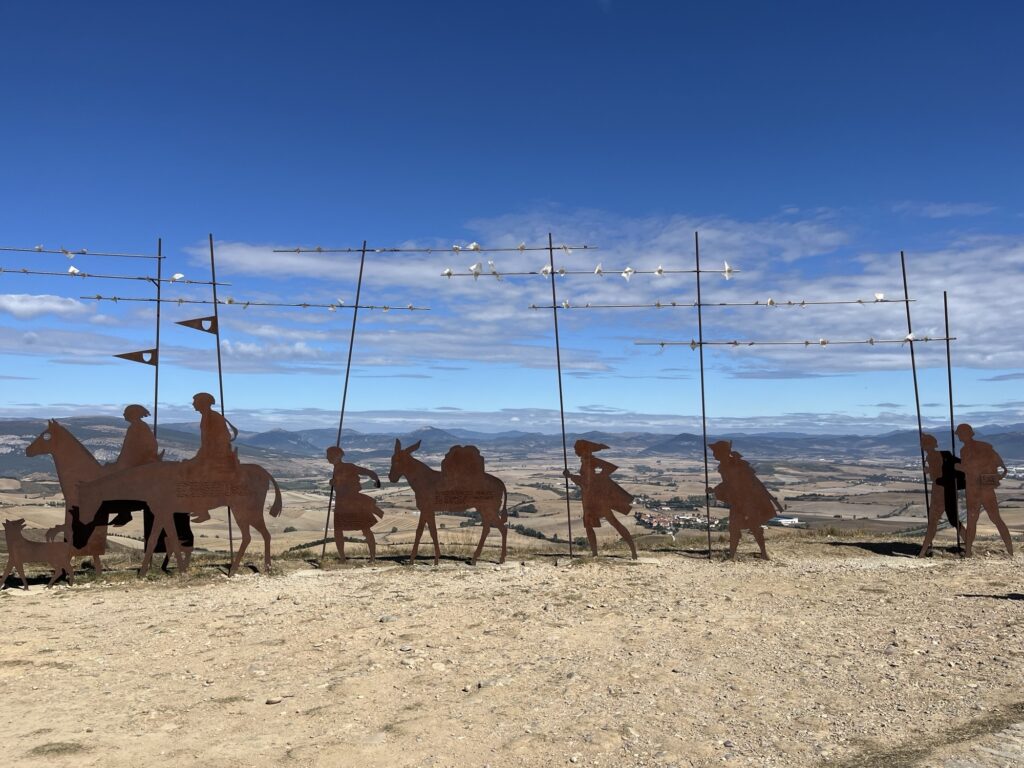
The Magi of Scripture set out on pilgrimage to the Christ Child. Because they were people of hope, they listened to their dreams warning them to return home a different route, to avoid King Herod and protect the infant Jesus. Every day we can engage with one another in the spirit of hopeful pilgrimage in our home, town or city, listening and responding to the needs of those around us.
When I was exhausted during my pilgrimage, I reflected on the migrants I had encountered several years ago on the U.S.-Mexico border – people of hope undertaking dangerous, difficult journeys to create a better life for themselves and their children. How might the hopes and needs of migrant people today invite us to action this Advent? How can we embody the Jubilee Year of Hope and be “Magi” in offering light and presence to family, friends and strangers?
Just as the Magi brought gifts to the infant Jesus, may we share Christ’s precious gifts of hope, joy and peace with everyone we encounter this sacred Advent season.