By Sister Rosita Sidasmed
For indigenous peoples, water is not simply a resource. It is deeply connected to territory, memory, cultural identity and spirituality. So defending nature and defending human rights are part of the same mission.
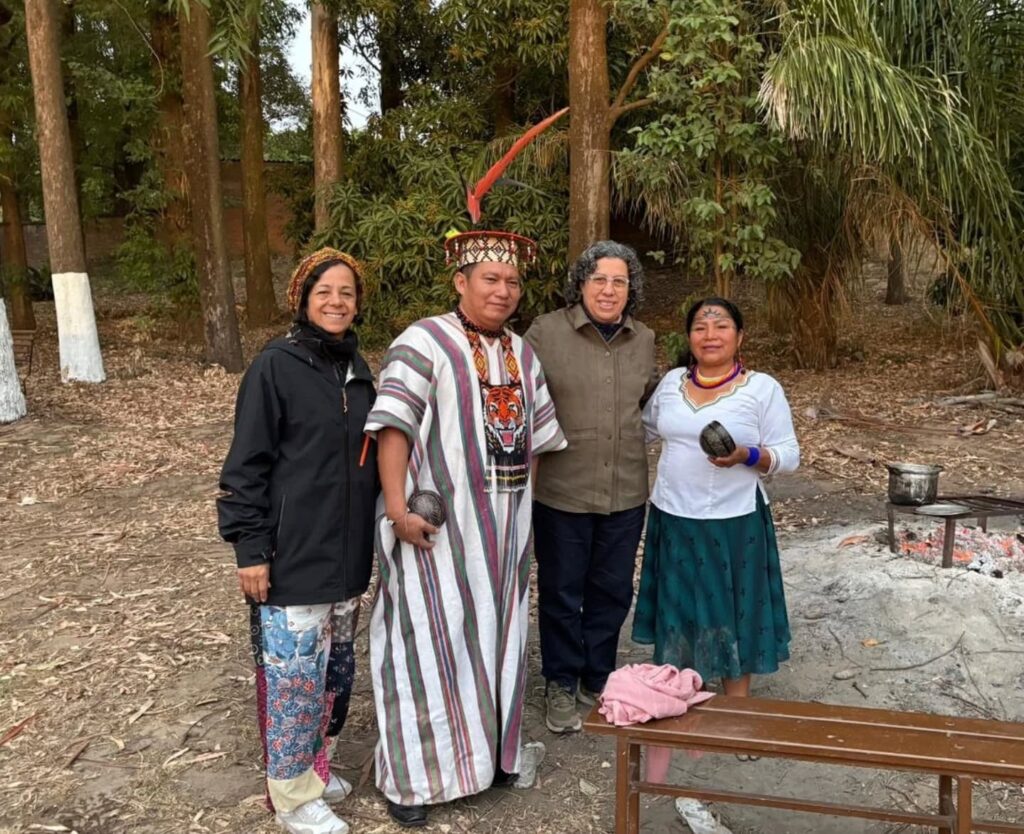
During this Season of Creation, the experience of the Gran Chaco and the Guaraní Aquifer region reminds us that caring for living waters is much more than protecting a natural resource. It means defending life, listening to the communities living in these territories, and committing ourselves to a more just and sustainable future for all creation.
Because where water flows, life flourishes.
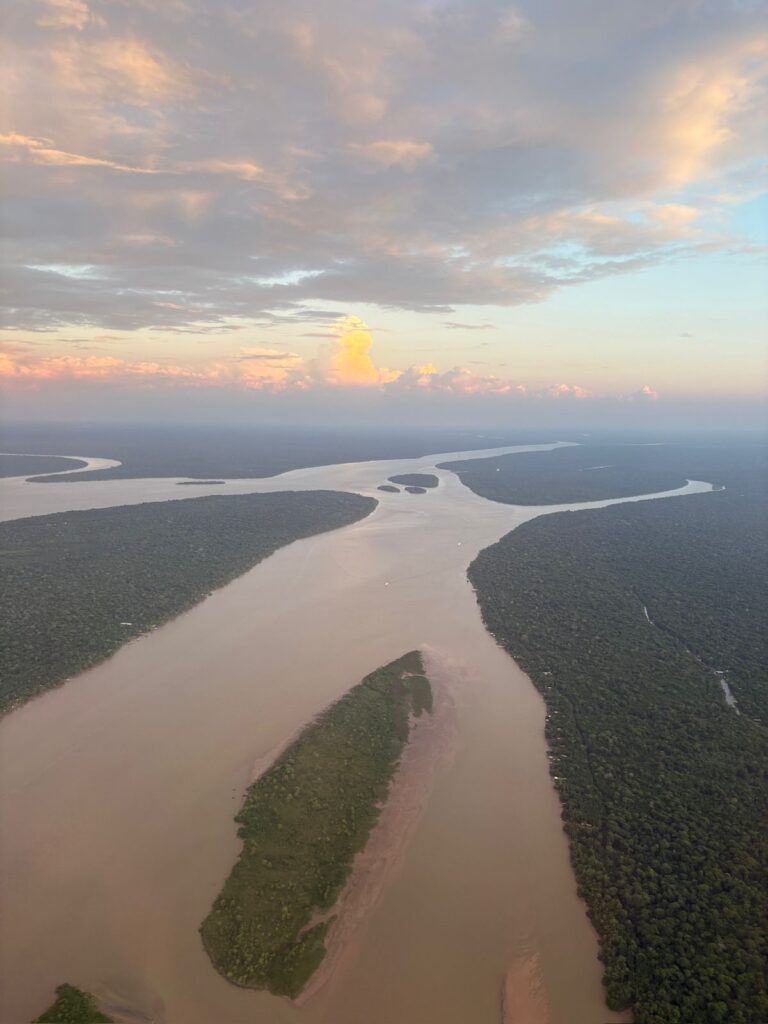
The aquifer region that spans Argentina, Bolivia, Brazil, Paraguay and Uruguay is home to extraordinary biodiversity, provides water to millions of people, and sustains the life, culture, and spirituality of numerous indigenous and rural communities. Conservation contributes not only to the well-being of those who live there, but also to the ecological balance of the entire region.
I serve as the executive secretary of the Ecclesial Network of the Gran Chaco and Guaraní Aquifer (REGCHAG), a church-based network that accompanies communities throughout this territory. Made up of more than 117 organizations, the network coordinates long-term efforts to support and defend human rights, water and biodiversity, while strengthening community leadership, especially among indigenous groups, women and young people.
It is extremely important to stand alongside communities in their own territories. We often accompany communities facing evictions, threats, or situations where their rights are being violated. As Church, we believe it is essential to walk with them and make their voices heard.
One of our current initiatives is supporting Sembradoras de Esperanza (Sowers of Hope), a women’s organization in the Paraguayan Chaco facing pressure and threats as they defend their territories.
The network also participates in advocacy efforts to raise awareness about projects that could impact our ecosystems and waterways. And we work to strengthen indigenous and youth leadership through opportunities for encounter, formation and listening, to empower communities to identify their own needs, develop proposals and lead transformation in their territories.
This mission of listening and accompaniment was on display recently in Rome where I was invited to represent REGCHAG at the Vatican’s Fourth Fratelli Tutti Synodal Gathering: North-South Socio-Environmental Dialogue.
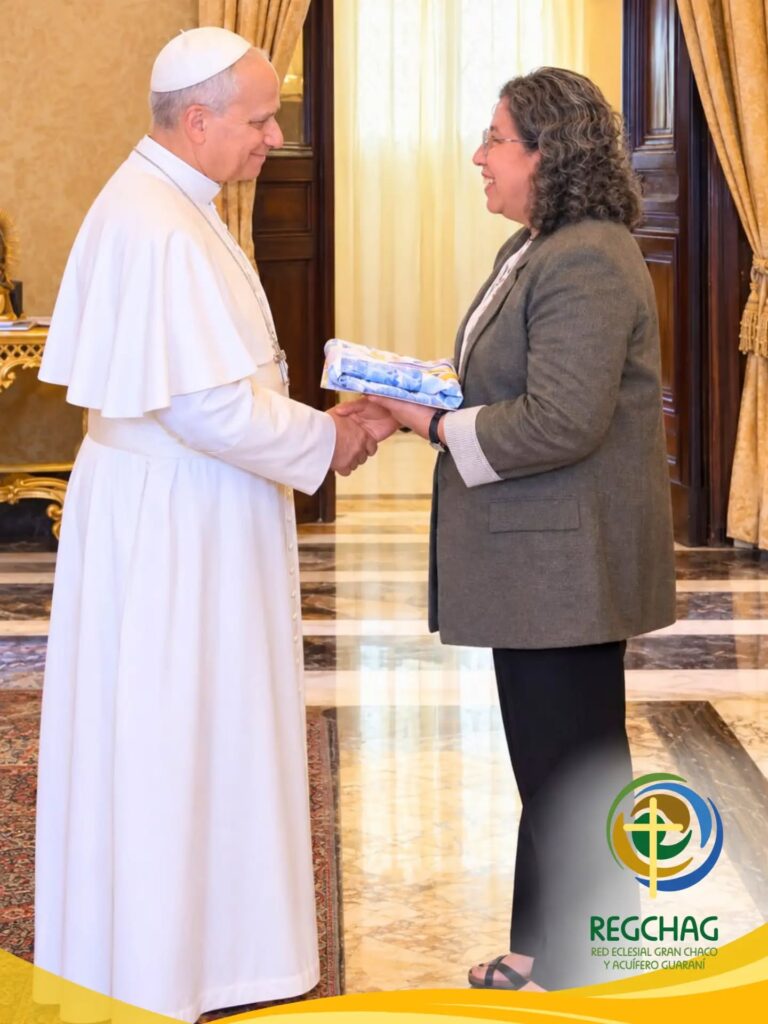
As part of the event, I was honored to have an audience with Pope Leo XIV on September 12 and presented him with a flag symbolizing the commitment of peoples working to defend territories, water and life.
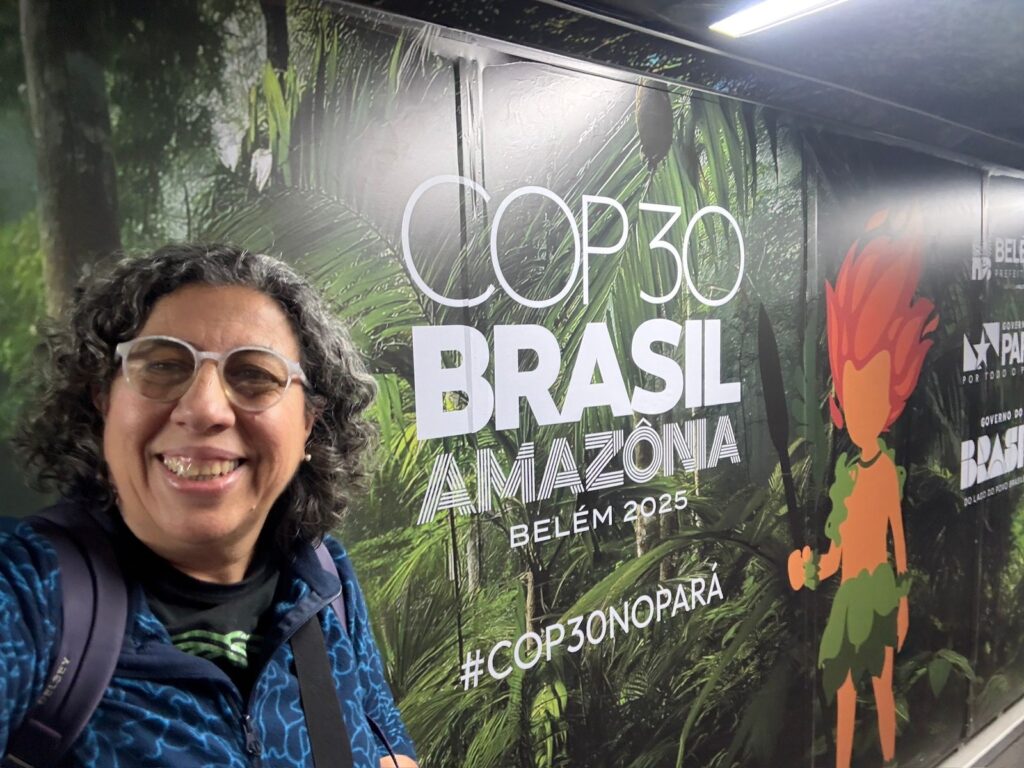
I also represented our network at the COP30 in Belém, Brazil in November, bringing the voices of our communities to global discussions on climate justice and water stewardship .
REGCHAG seeks to empower communities to become protagonists in the defense of life, water and our Common Home.